
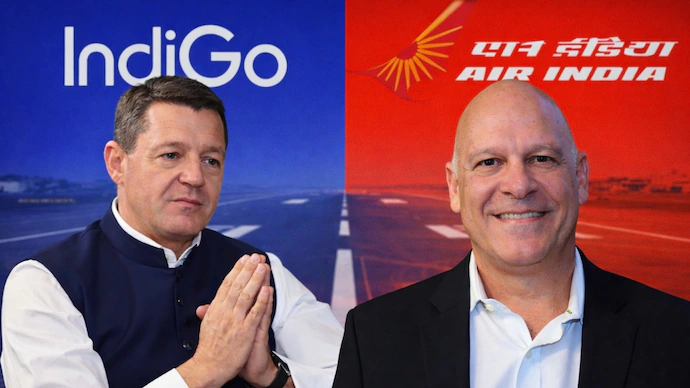
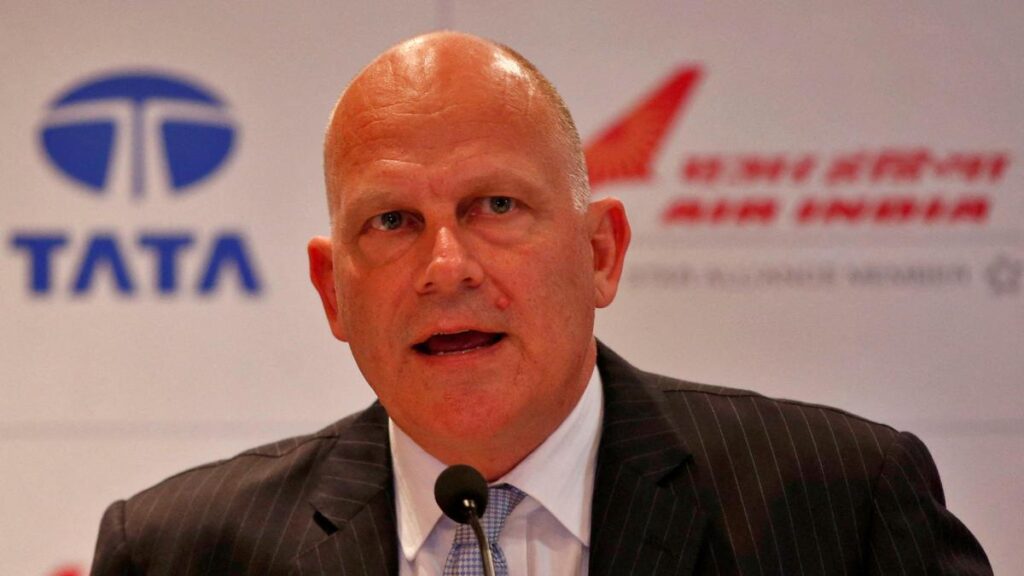
In a move that has sent shockwaves through the global aviation industry, Air India CEO Campbell Wilson Campbell Wilson Resigns , the Chief Executive Officer (CEO) and Managing Director of Air India, has officially tendered his resignation. This development comes at a critical juncture for the Tata Group-owned carrier, which is currently navigating a complex multi-year transformation plan known as Vihaan.AI.
In this detailed report, we analyze the reasons behind Wilson’s exit, the challenges he faced, the impact on the Air India-Vistara merger, and what lies ahead for the “Maharaja.”
1. The Sudden Exit: Why Did Campbell Wilson Resign?
Campbell Wilson, who joined Air India in July 2022 from Singapore Airlines’ low-cost subsidiary Scoot, was appointed for a five-year term. However, he is stepping down nearly 15 months before his contract was set to conclude in 2027.
The Ahmedabad Crash Fallout
The single biggest factor looming over Wilson’s resignation is the tragic Ahmedabad flight crash that occurred last year. The crash of the London-bound Boeing 787-8, which resulted in the loss of 241 lives, put the airline under intense regulatory and public scrutiny. Sources suggest that the legal and emotional weight of this incident significantly influenced Wilson’s decision to move on.
Mounting Financial Losses
Despite the Tata Group’s massive capital infusion, Air India continues to struggle with profitability. Internal estimates suggest that the airline’s losses for FY26 are projected to touch ₹20,000 crore—nearly ten times higher than earlier estimates. External factors such as Pakistan’s airspace closure and skyrocketing jet fuel prices have created a “perfect storm” for the carrier.
COMPETITION AND EXPANSION ADD TO EXECUTION PRESSURE
At the same time, both airlines are trying to grow.
IndiGo is planning a major push into long-haul international travel. It has ordered Airbus A321XLR and A350 aircraft and already flies to over 40 international destinations.
Walsh’s appointment is being seen as a move to support this global expansion. Reuters reported that his experience in building International Airlines Group and managing long-haul operations will be useful for IndiGo’s next phase.
Air India, meanwhile, has ordered more than 500 aircraft as part of its turnaround plan. It currently operates a fleet of 191 planes but continues to face delivery delays and supply chain issues.
The airline and its low-cost arm Air India Express reported a combined loss of Rs 98.08 billion in FY25, showing the scale of financial pressure.
WHAT THE TWIN EXITS SIGNAL
The back-to-back leadership changes at IndiGo and Air India point to a wider shift in India’s aviation sector.
Airlines are no longer just dealing with demand recovery. They are managing higher costs, tighter regulations, global conflicts and complex expansion plans at the same time.
New leaders at both airlines will need to fix operational issues while also preparing for long-term growth.
2. Campbell Wilson’s Legacy: The Transformation of Air India
While his exit is sudden, Wilson’s tenure was marked by some of the most ambitious changes in Indian aviation history.
- The Historic Aircraft Order: Under Wilson, Air India placed a record-breaking order for 470 aircraft from Boeing and Airbus, a move aimed at making the airline a global powerhouse.
- Vistara Merger Completion: He successfully oversaw the operational integration of Vistara into Air India. This was one of the most complex mergers in the industry, involving the migration of millions of frequent flyer accounts and thousands of employees.
- Maharaja Club Revamp: Just days before his resignation, Wilson unveiled the second version of the Maharaja Club, offering enhanced perks to loyal travelers, showing his commitment to customer experience until the very end.
3. The Internal Challenges: Service Quality and Supply Chain
Despite the massive fleet orders, Campbell Wilson faced constant criticism regarding the current passenger experience.
- The “Cabin” Problem: While new planes are being inducted, the refurbishment of older legacy aircraft has been painfully slow due to global supply chain disruptions. Frequent complaints about broken seats, non-functional in-flight entertainment, and poor cabin hygiene continued to plague the airline.
- Operational Strain: With Pakistan banning Indian carriers from its airspace, Air India’s lucrative western routes (US and Europe) became longer and significantly more expensive to operate, draining the airline’s cash reserves.
4. What’s Next for Air India? The Search for a New Successor
The Tata Group has already initiated a global hunt for a new CEO. Unlike the previous search, which saw several candidates decline the role due to the complexity of the task, the board is looking for a leader who can bridge the gap between “transformation strategy” and “operational excellence.”
Key Requirements for the New CEO:
- Safety First: Rebuilding trust after the Ahmedabad crash will be the top priority.
- Profitability: Managing the projected ₹20,000 crore loss and finding a path to break-even.
- Customer Consistency: Moving beyond the “Vistara merger” and ensuring that the service quality on every flight matches international standards.
5. Conclusion: A Challenging Path Ahead
Campbell Wilson will remain in his role for a six-month notice period to ensure a smooth transition. His departure marks the end of the “Consolidation Phase” of Air India’s turnaround. The next leader will inherit a larger, more modern fleet but will also face the daunting task of making the airline financially viable in a brutal geopolitical environment.
As the Maharaja looks for a new pilot, the aviation world watches closely. Will the Tata Group find a leader who can finally make the airline fly high again?